
December 30, 2025
To master SEO in 2026, you must pivot from “optimizing for clicks” to “optimizing for answers.” As Search Generative Experience (SGE) and AI-driven answer engines, become the primary ways users find information, your strategy needs to be more architectural and trust-based.
Understanding the Fundamentals of SEO
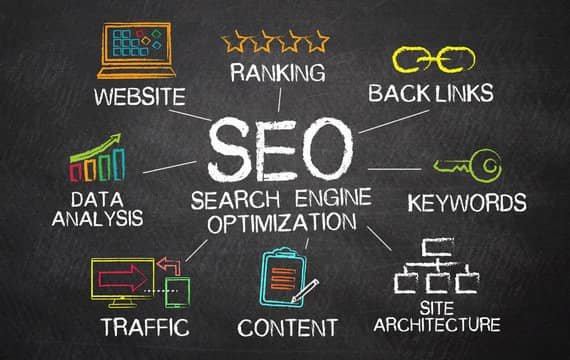
Search Engine Optimization (SEO) is the practice of enhancing a website to increase its visibility on search engines like Google. Understanding its fundamentals is crucial for any digital marketer because it influences how websites rank and how users find them. SEO encompasses various elements, including keyword usage, content quality, website structure, and user experience.
Furthermore, SEO is not a one-time task but an ongoing process that requires continuous learning and adaptation to evolving algorithms and user behaviors. By grasping the basics of SEO, marketers can create a solid foundation for their digital marketing strategies.

Keyword Research and Implementation Strategies
Keyword research is the cornerstone of effective SEO. It involves identifying the terms and phrases that potential customers are searching for online. By utilizing tools like Google Keyword Planner, or SEMrush, marketers can discover high-traffic keywords relevant to their business. Once these keywords are identified, implementing them strategically throughout website content, meta tags, and headings is essential for maximizing visibility.
Additionally, understanding user intent behind keywords can lead to more tailored content that resonates with the target audience, thereby improving engagement and conversion rates. Regularly updating keyword strategies to reflect changing trends is also vital for maintaining competitive advantage.
On-Page Optimization Techniques for Higher Rankings
On-page optimization refers to the practices that improve individual web pages to rank higher and earn more relevant traffic. This includes optimizing title tags, meta descriptions, header tags, and images, as well as ensuring that content is high quality and provides value to users. Integrating keywords naturally into the content while maintaining readability is crucial.
Moreover, enhancing user experience through fast loading speeds, mobile-friendliness, and intuitive navigation can significantly boost SEO performance. By focusing on these on-page elements, websites can improve their rankings and attract a larger audience.
Building Quality Backlinks and Improving Authority
Backlinks are links from other websites to your own, and they play a critical role in determining a site’s authority and ranking. Building quality backlinks involves creating valuable content that others want to link to, engaging in guest blogging, and leveraging social media to promote content. The more reputable the linking site, the more authority it lends to your site.
Additionally, monitoring your backlink profile and disavowing low-quality links can protect your site’s credibility. Establishing a strong backlink strategy not only enhances search engine rankings but also drives referral traffic.
Analyzing SEO Performance and Adapting Your Strategy
To ensure the effectiveness of SEO efforts, regular analysis of performance metrics is essential. Tools like Google Analytics and Google Search Console provide insights into traffic patterns, user behavior, and keyword performance. By analyzing these data points, marketers can identify what’s working and what needs adjustment.
Adapting strategies based on performance analysis allows for continuous improvement and helps in responding to changes in search engine algorithms or market trends. This iterative process is key to sustaining long-term SEO success and ensuring that digital marketing efforts align with overall business goals.
Multimodal & Video SEO
Visual Search: Use highly descriptive Alt-text and high-resolution, original images ($1200 \times 675$ pixels is the current standard for Google Discover).
Video Chapters: Use timestamped “Key Moments” in your videos so search engines can surface specific segments as answers to user queries.
Advanced E-E-A-T (Experience, Expertise, Authoritativeness, Trustworthiness)
With AI-generated content flooding the web, search engines now reward “The Human Edge.”
- Proof of Experience: Include original photos, case studies, and “I” statements. Show, don’t just tell, that you have physically tested the product or service.
- Author Entities: Connect your authors to their social profiles (LinkedIn, X) using Schema Markup ($sameAs$). This helps Google recognize your writers as real-world experts.
- Digital Footprint: Earn mentions on reputable podcasts, Reddit threads, and industry forums. These “Off-SERP” signals are now vital indicators of trust.